

This is an example post, originally published as part of Oluwatishe Elesinnla’s Blogs
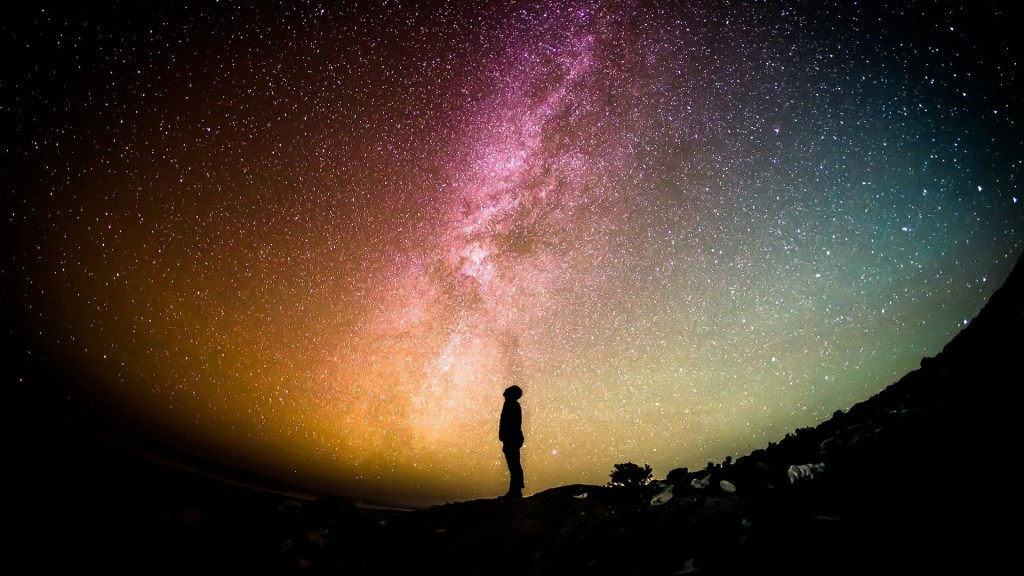
Stargazing is an incredible and awe-inspiring activity that has captivated humans for centuries. Whether you’re a seasoned astronomer or a beginner, observing stars is an exciting and rewarding experience. However, it can be challenging to know where to start when it comes to stargazing. In this blog post, we’ll cover some tips and techniques to help you observe stars and enjoy the wonders of the night sky.
- Choose the Right Time and Place
The first step to successful stargazing is finding the right time and place. You’ll want to find a location that is dark and free from light pollution, such as a park, beach, or camping site. Be sure to check the weather forecast before you go out and avoid observing on cloudy or rainy nights.
- Get the Right Equipment
While you don’t need a telescope to observe stars, it can enhance your experience and allow you to see more detail. However, telescopes can be expensive and challenging to use, so start with a pair of binoculars or a star chart to identify constellations. Also, bring a comfortable chair or blanket to lie on, warm clothes, and insect repellent.
- Learn the Constellations
The night sky is filled with beautiful constellations that have inspired myths and legends for centuries. Learning the constellations will help you navigate the night sky and make it easier to identify stars and planets. Start with the Big Dipper, which is part of the Ursa Major constellation and is easy to find. You can also use a star chart or app to help you locate other constellations.
- Be Patient and Observant
Stargazing requires patience and persistence. The longer you observe, the more you’ll see, so give your eyes time to adjust to the darkness. Be sure to look for subtle changes in the sky, such as shooting stars or changes in the color of stars. You may also want to observe different areas of the sky at different times of the night to see different constellations.
- Keep a Record
Keeping a record of your observations can be a fun and rewarding way to track your progress and share your experiences with others. You can create a stargazing journal and record the date, time, location, and weather conditions, as well as any constellations, planets, or other celestial objects you observe.
Keeping a record of your observations can be a fun and rewarding way to track your progress and share your experiences with others. You can create a stargazing journal and record the date, time, location, and weather conditions, as well as any constellations, planets, or other celestial objects you observe.
- Winter: The best time to observe in the winter is in January and February, when the Orion constellation is visible in the evening sky. You can also see the Sirius, the brightest star in the sky, and the Pleiades star cluster.
- Spring: In the spring, the best time to observe is in March and April, when the Leo and Virgo constellations are visible. You can also see the planet Jupiter, which is visible throughout the season.
- Summer: Summer is a great time to observe the Milky Way galaxy, which is visible from June to September. You can also see the Scorpius and Sagittarius constellations and the planet Saturn.
- Fall: The best time to observe in the fall is in October and November, when the Andromeda galaxy and the Perseus
In conclusion, observing stars is a fun and rewarding activity that can be enjoyed by people of all ages. With the right equipment, knowledge, and a little patience, you can discover the wonders of the night sky and explore the mysteries of the universe.
 Immersion Imagery 360
Leave a comment